For decades, the global cocoa market has been dominated by West African giants like Ghana and Ivory Coast. However, Indonesia—specifically the island of Sulawesi—has established itself as a critical player, particularly for the Asian and North American markets. As a buyer, understanding the nuances between these origins is key to making informed sourcing decisions.
1. Flavor Profile & Acidity
The most distinct difference lies in the flavor notes and acidity levels, which are shaped by the soil and fermentation processes.
- African Cocoa (Ghana/Ivory Coast): Known for the classic "chocolatey" flavor with nutty undertones and medium acidity. It is often the standard for mass-market chocolate bars.
- Indonesian Cocoa (Sulawesi): Grown in volcanic soil, these beans are famous for their low acidity and unique earthy, woody, or spicy notes. This lower acidity makes them exceptionally versatile for processing.
2. Suitability for Alkalization
This is where Indonesian beans truly shine. Because they are naturally less acidic (higher pH), they are easier to alkalize (Dutch-process).
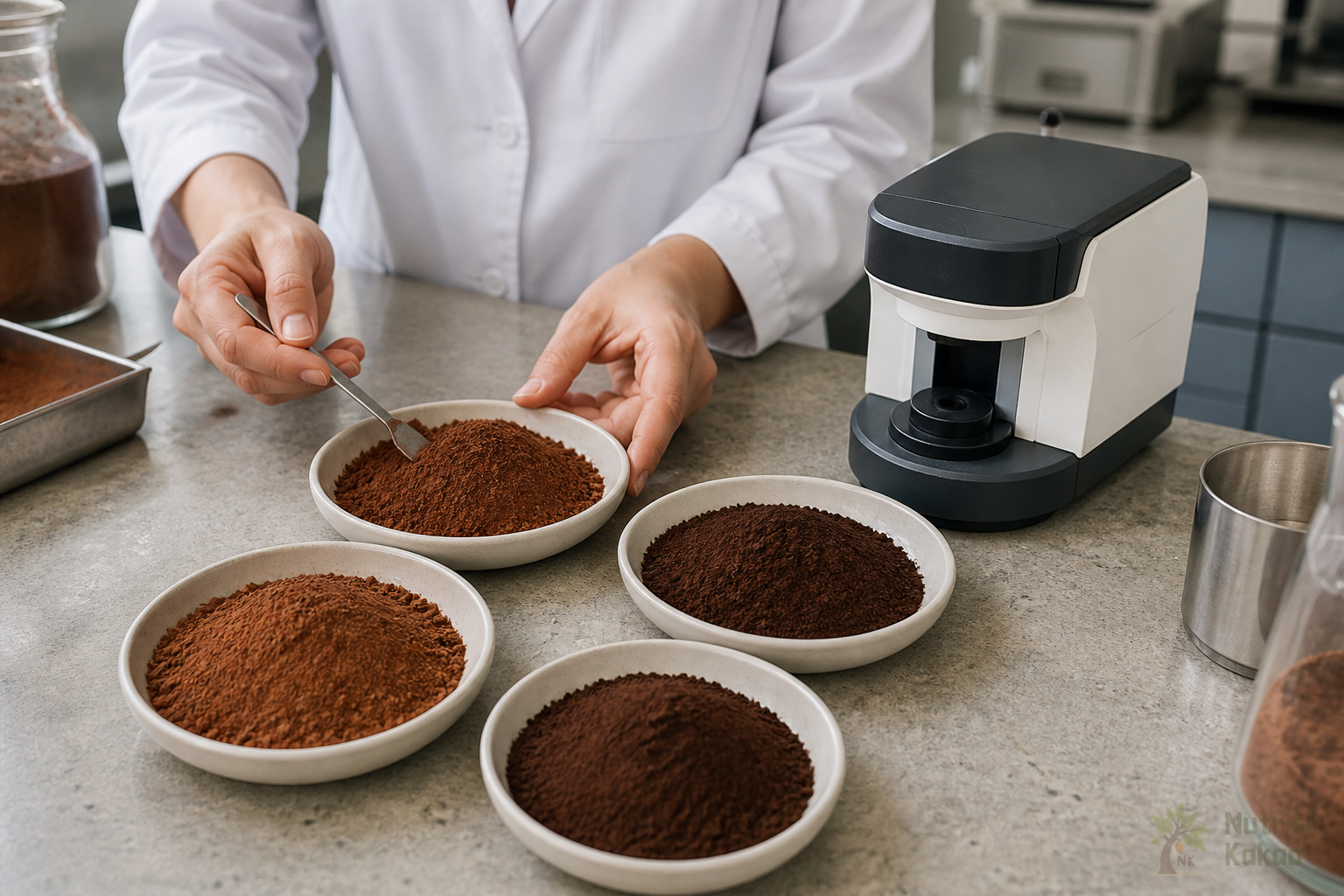
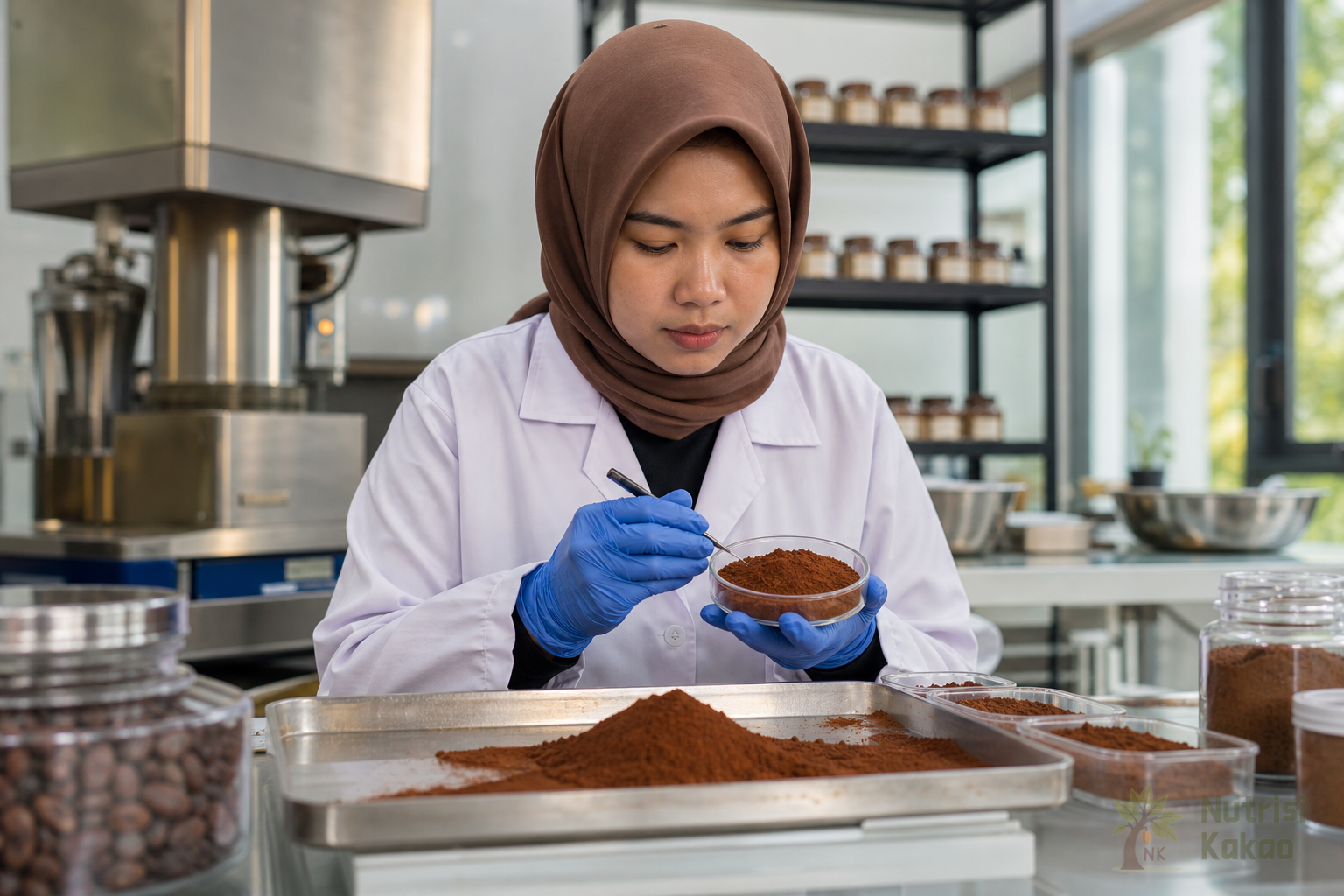
Manufacturers can achieve deep, rich colors (like Reddish Brown or Black) using less alkali, which preserves the intrinsic cocoa structure and prevents the "soapy" aftertaste that can occur from over-processing highly acidic beans. This makes Indonesian cocoa powder the preferred choice for baked goods, biscuits, and ice creams that require intense color.
3. Butter Hardness (Melting Point)
Due to the tropical climate and specific genetic varieties found in Indonesia, the cocoa butter extracted from these beans typically has a higher melting point (harder butter) compared to African origins.
- Advantage: Chocolate made with Indonesian butter is more heat-resistant, which is a significant logistical benefit for products sold in warmer climates (Asia, Middle East, Latin America).
4. Farming & Sustainability
While West Africa relies heavily on smallholder farms that are currently facing challenges with aging trees and swollen shoot virus, Indonesia has seen a wave of revitalization.
At PT Nutrisi Kakao Indonesia, we work directly with farmer groups in Sulawesi to ensure sustainable practices. Our "farm-to-factory" model means we have better control over:
- Fermentation Quality: Moving from unfermented to fully fermented beans to meet international standards.
- Traceability: Shorter supply chains mean better transparency for your brand's ESG goals.
Conclusion: Which Should You Choose?
If you are making a standard milk chocolate bar, a blend of African and Indonesian beans often yields the best balance of flavor and cost. However, if you are sourcing Cocoa Powder for baking, beverages, or biscuits, Indonesian Cocoa offers superior color potential and a robust base flavor that stands up well to high-heat processing.
We wrote this as a practical note for procurement and R&D teams.