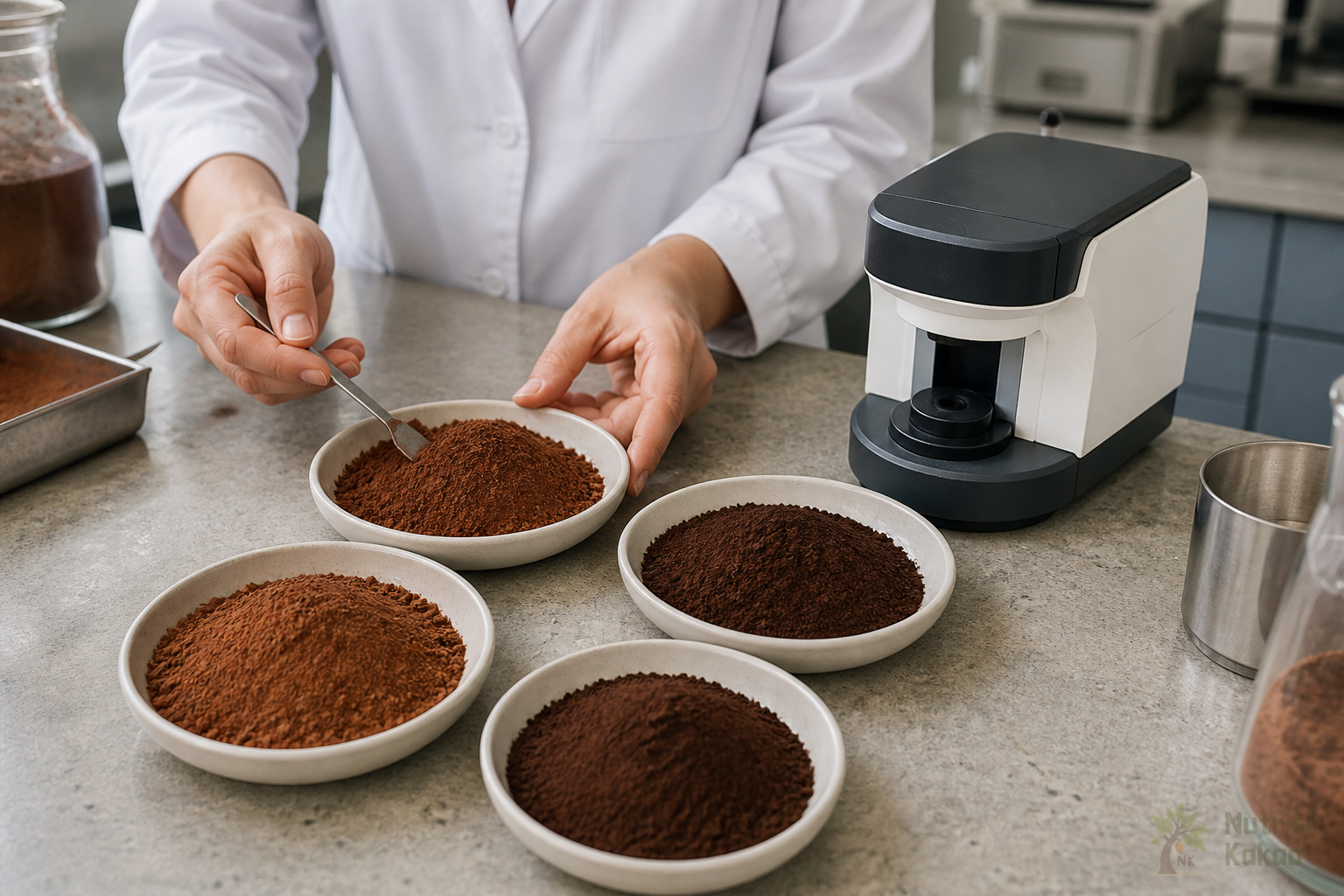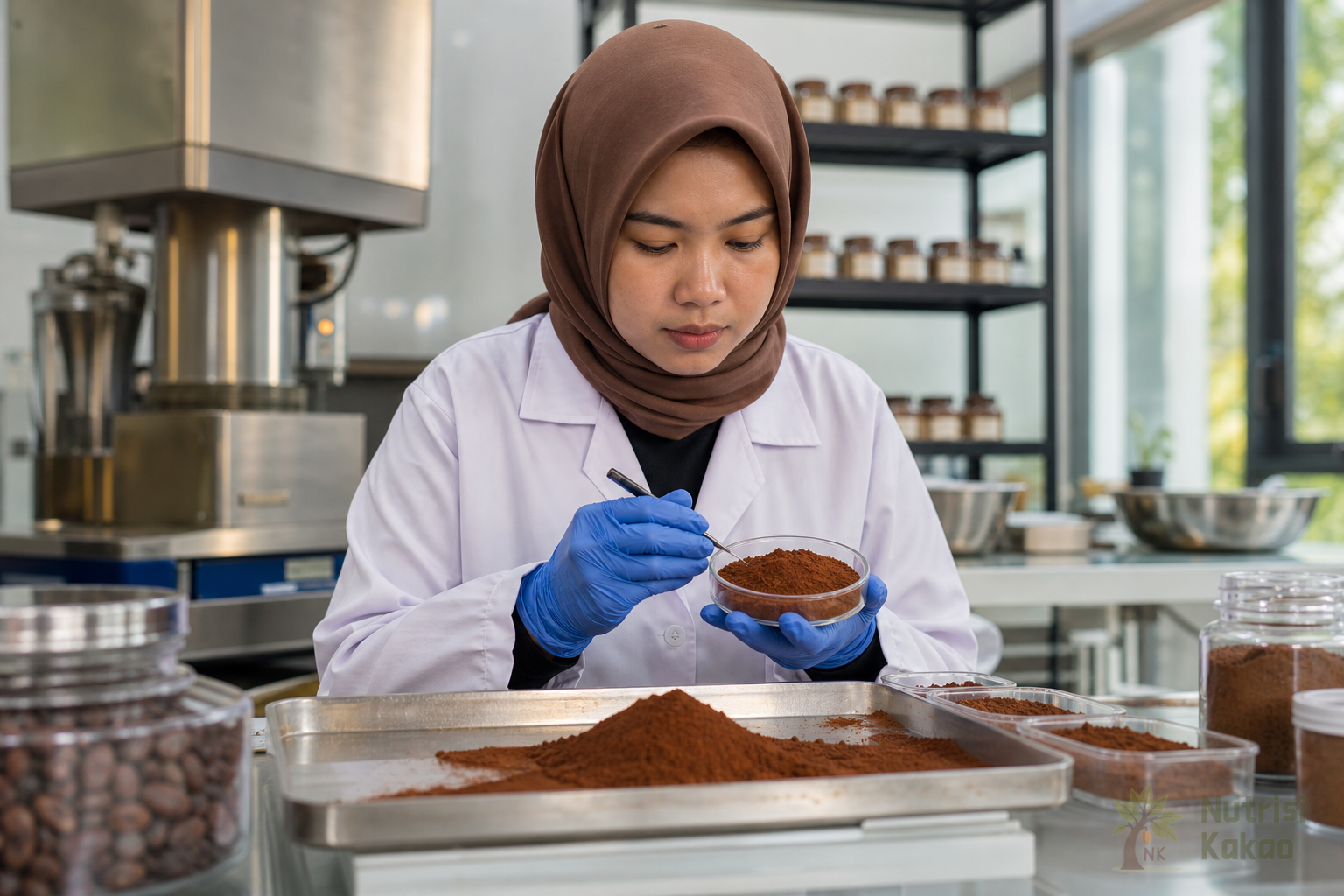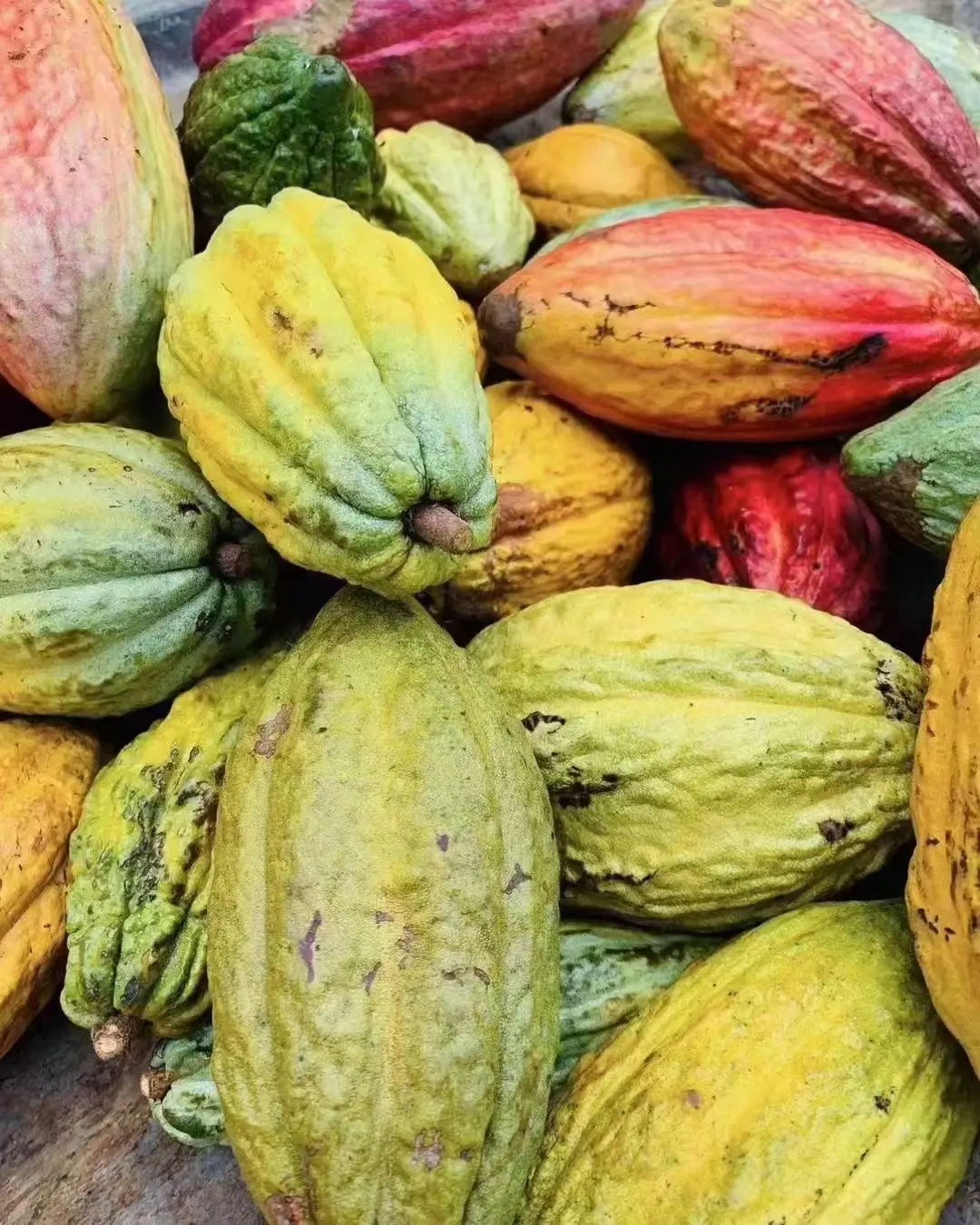
💡 Insider Perspective: The Sulawesi Advantage
Most buyers know Indonesia is a top-3 producer. But what they don't see from a spreadsheet is how the volcanic terrain of Sulawesi creates a naturally "soft" cocoa bean that reacts differently during processing compared to West African varieties.
A Decade of Indonesian Cocoa: What Has Changed?
Since we started PT Nutrisi Kakao Indonesia in 2015, the landscape has shifted. Indonesia is no longer just a source of raw beans; it has become a hub for precision engineering in cocoa ingredients. With over 700,000 metric tons produced annually, the focus in 2026 has moved from quantity to technical compliance.
If you're looking to source Indonesian cocoa powder this year, you're likely balancing three things: price stability, chemical precision, and sustainable ethics. Here is our briefing on the current state of the market.
The Geography of Quality
While cocoa grows across the archipelago, the "DNA" of the product is heavily influenced by where it's processed.
- Sulawesi (The Heartland): This is where 70% of the action happens. The volcanic soil provides a natural pH advantage (5.2-5.8), meaning we can achieve rich colors with less chemical intervention.
- Java & Sumatra: These regions are becoming specialized centers for high-fat and specialty cocoa liquors, benefiting from long-established logistics routes.
Market Snapshot: Global Production Share
| Country | Annual Vol. | Strategic Role |
|---|---|---|
| Ivory Coast | 2.2M tons | Bulk Commodity Base |
| Indonesia | 700K+ tons | Precision Processing Hub |
Beyond the Spec Sheet: What to Actually Look For
1. The "True" pH Level
Standard data will tell you our beans are pH 5.2-5.8. But in our lab, we see how this acidity impacts your final product's texture. Because Indonesian beans are naturally less acidic than West African ones, our Dutch-processed (alkalized) powders often retain a "cleaner" chocolate note even at dark color grades.
2. Supply Chain Speed vs. Inventory Cost
One major reason our partners in China, Japan, and India have switched to us isn't just price—it's the 2-week transit time. In a high-interest-rate environment, being able to order and receive within 20 days instead of 60 days from Africa is a massive win for your cash flow.
| Destination | From Indonesia | From West Africa |
|---|---|---|
| China | 2-3 weeks | 5-6 weeks |
| Japan | 2 weeks | 5-6 weeks |
| India | 2 weeks | 4-5 weeks |
| Australia | 2 weeks | 5-6 weeks |
Types of Indonesian Cocoa Powder
Natural Cocoa Powder (Non-Alkalized)
- pH: 5.2 - 5.8
- Color: Light to medium brown
- Fat content: 10-12% standard, 4-8% low-fat, 20-22% high-fat
- Best for: Brownies, chocolate cakes, recipes with baking soda
- Flavor: Bright, fruity, slightly acidic
Alkalized Cocoa Powder (Dutch Process)
| Type | pH Range | Color | Applications |
|---|---|---|---|
| Light Alkalized | 6.2 - 6.8 | Medium brown | Beverages, ice cream, general baking |
| Medium Alkalized | 7.2 - 7.8 | Dark brown | Premium chocolate, dark cakes |
| Heavy Alkalized (Black) | 7.6 - 8.5+ | Deep black | Oreo-style cookies, dramatic visual products |
Common Pitfalls in Supplier Selection
Having worked with over 30 countries, we've seen where things go wrong for buyers:
- Ignoring the Lab: An ISO 22000 certificate is the baseline. You should be asking for the ISO/IEC 17025 lab reports for *every* batch to ensure heavy metal compliance (Cadmium and Lead are critical for EU/US markets).
- MOQ Rigidity: Many large grinders won't talk to you for less than 10 containers. Look for a partner who offers flexibility (like our 1-ton MOQ) to allow for R&D and market testing.
💬 Need a Technical Consultation?
Choosing the right mesh size or fat content isn't just a procurement decision; it's an R&D one. Our team provides free technical audits for your formulations.
Email: [email protected] | WhatsApp: +62 852 1162 9257