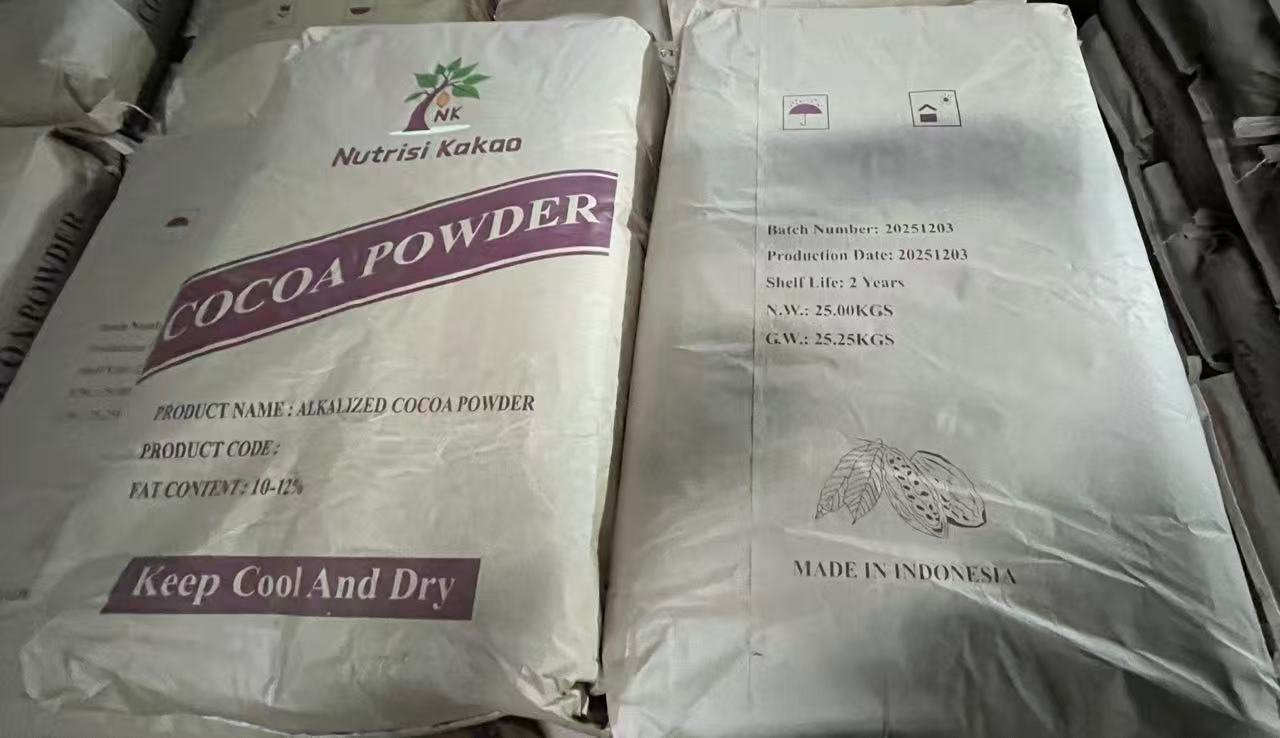
How Do I Verify the Quality of Cocoa Powder Before Placing a Large Order?
Short answer first, then the checkpoints that matter.
Ordering 5-20 tons of cocoa powder based only on price quotes and photos is a recipe for disaster. Smart buyers follow a systematic verification process to ensure quality before committing.
Step 1: Request Samples with Full Documentation
What to Request:
- Sample Size: Minimum 500g, ideally 1-2kg for comprehensive testing
- Certificate of Analysis (COA): From the same batch as the sample
- Technical Data Sheet (TDS): Complete product specifications
- Certifications: Copies of Halal, ISO 22000, and other relevant certificates
Red Flags:
⚠️ Warning Signs:
- Supplier refuses to provide samples
- COA is generic (not specific to sample batch)
- Sample is "free" but shipping cost feels unusually high for a small courier package
- Documentation is in poor English with inconsistent data
Step 2: Conduct Sensory Evaluation
Before sending to a lab, perform basic quality checks yourself:
Visual Inspection:
- Color uniformity: Should be consistent throughout (no light/dark spots)
- Particle size: Fine powder, no visible lumps or foreign particles
- Absence of mold: No white spots, discoloration, or off-odors
Smell Test:
- Should smell like rich chocolate
- Bad signs: Musty, moldy, smoky, or chemical odors
Taste Test:
- Mix 1 tablespoon with 200ml hot milk and sugar
- Good quality: Rich chocolate flavor, smooth mouthfeel, no gritty texture
- Bad signs: Chalky taste (starch adulteration), bitter/burnt notes, poor dispersibility
Simple Dispersion Test:
Add 2 tablespoons of cocoa powder to 1 cup of cold water and stir vigorously:
- Good quality alkalized cocoa: Disperses easily with minimal settling
- Poor quality: Clumps, floats on surface, or settles immediately
Step 3: Third-Party Laboratory Testing
For meaningful bulk orders, independent lab testing is usually money well spent.
Essential Tests:
| Test Type | What It Checks | When to Request |
|---|---|---|
| Heavy Metals Panel | Cadmium, Lead, Arsenic, Mercury | Strict import compliance or EU-facing products |
| Microbiological Testing | Total Plate Count, E. coli, Salmonella, Yeast & Mold | Food manufacturing, beverage, dairy, and bakery use |
| Fat Content Analysis | Verifies actual cocoa butter % (many suppliers lie) | When comparing 10-12% vs. 20-24% fat grades |
| pH Testing | Confirms alkalization level | When alkalization level affects color or flavor |
| Starch Adulteration Test | Detects cheap fillers | When a quote is suspiciously low or sensory quality is weak |
Where to Test:
- SGS, Intertek, Bureau Veritas: Global testing networks with local branches
- Local university food science labs: Often cheaper but slower
- Your country's food safety authority lab: Most reliable for import compliance
Step 4: Check Supplier References
Ask the supplier for 2-3 current client references (ideally in your country/region):
- Contact them directly via LinkedIn or phone
- Ask: "How long have you worked with them?" "Any quality issues?" "Delivery reliability?"
- If supplier refuses to provide references → major red flag
Step 5: Verify Certifications Directly
Don't just accept PDF copies—verify with issuing authorities:
- Halal (MUI Indonesia): Check at https://e-lppommui.org
- ISO 22000: Contact the certification body (SGS, TÜV, etc.) listed on the certificate
- Organic: Search USDA Organic Integrity Database
- FDA Registration: Search FDA Food Facility Registration Database
Step 6: Factory Audit (For Large Buyers)
If you're ordering 50+ MT/year, consider:
- Virtual factory tour: Request live video walk-through via Zoom/WhatsApp
- Third-party audit: Hire SGS or Bureau Veritas for factory inspection when order size justifies it
- Personal visit: Visit the factory yourself (most reliable)
Step 7: Small Trial Order
✅ The Smart Buyer's Approach:
Even after samples and testing, place a trial order (500kg - 2MT) before committing to container loads. This allows you to:
- Test the product in your actual production line
- Verify consistency with the sample
- Evaluate supplier's logistics and customer service
- Check shelf stability over 1-2 months
Documentation Checklist Before Large Order
✓ Before signing a 10+ MT contract, ensure you have:
- ✅ Sample + matching COA (same batch number)
- ✅ Independent lab test results (if budget allows)
- ✅ Verified certifications (checked with issuing bodies)
- ✅ At least 1 positive client reference
- ✅ Clear product specification sheet (signed by supplier)
- ✅ Written quality guarantee and replacement policy
- ✅ Payment terms that protect you (e.g., LC with inspection clause)
Cost-Benefit Reality Check
Scenario: You're buying a 20ft container and the shipment must clear customs, pass QC, and perform in production.
- Sample testing: Confirms flavor, color, dispersion, and application fit
- Lab verification: Checks heavy metals, microbiology, fat content, and pH
- Trial order: Validates consistency before scaling to container volume
- Total verification effort: Small compared with the cost of a rejected or unusable shipment
Insurance value: Avoiding a non-compliant batch that fails customs inspection or disrupts production.
Conclusion: Quality verification is not an expense—it's risk management.