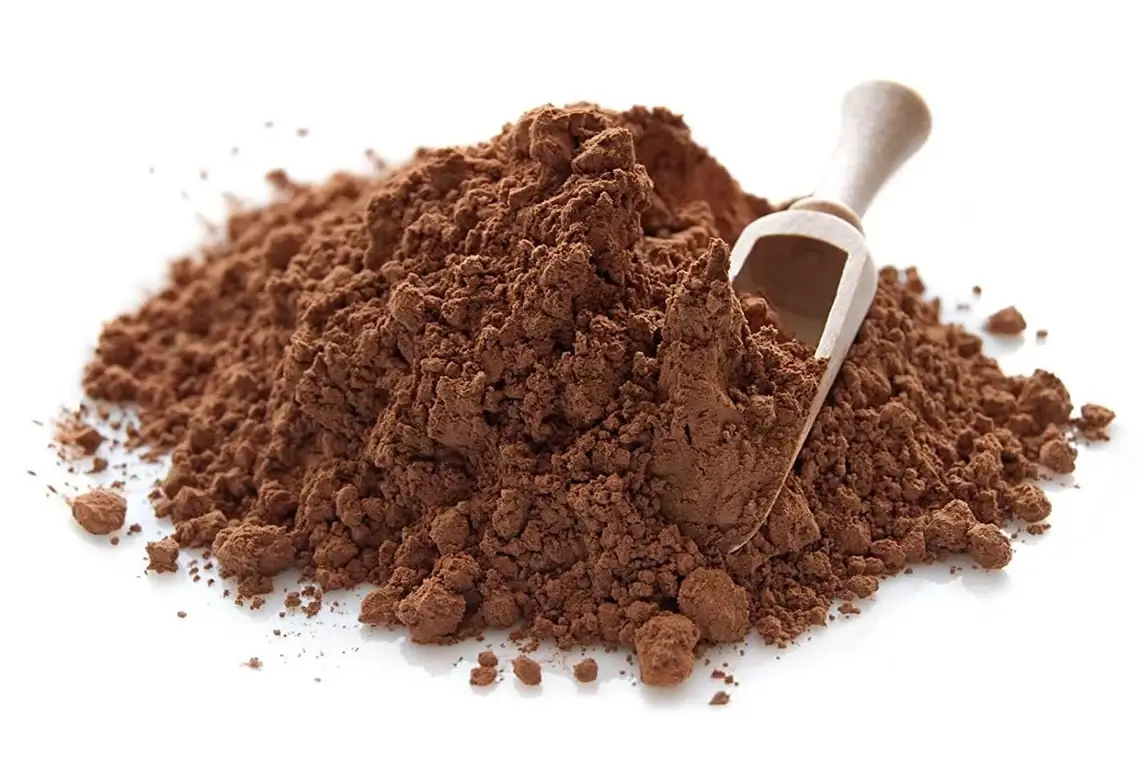
Natural vs. Alkalized (Dutch-Process) Cocoa Powder: What is the Difference?
Below is the manufacturer-side explanation in plain terms.
One of the most common questions we receive from food manufacturers and bakers is: "Which cocoa powder should I use?" Understanding the difference between Natural and Alkalized (Dutch-Process) cocoa powder is crucial for achieving the desired flavor, color, and texture in your final product.
1. The Process
- Natural Cocoa Powder: Made from roasted cocoa beans that are simply ground into a fine powder. No chemical agents are added. It retains the natural acidity of the cocoa bean.
- Alkalized (Dutch-Process) Cocoa Powder: The cocoa beans are washed with an alkaline solution (typically potassium carbonate) to neutralize their acidity. This process was invented by Coenraad Johannes van Houten in the 19th century.
2. pH Level and Acidity
The pH level is the main scientific difference that affects how these powders react in recipes.
- Natural: Acidic (pH 5.0 – 6.0). It has a sharp, citrusy, and intense fruit-forward chocolate flavor.
- Alkalized: Neutral to Alkaline (pH 7.0 – 8.0). The process smooths out the flavor, reducing bitterness and acidity, resulting in a mellower, earthier, and woodier taste.
3. Color
- Natural: Light brown to reddish-brown.
- Alkalized: Ranges from medium brown to dark brown, and even black (like the cookie wafers in Oreos), depending on the degree of alkalization.
4. Baking Science: Baking Soda vs. Baking Powder
Because of their different acidity levels, they require different leavening agents:
- Using Natural Cocoa: Since it is acidic, it is typically paired with Baking Soda (Sodium Bicarbonate), which is alkaline. The reaction creates carbon dioxide bubbles that make the batter rise.
- Using Alkalized Cocoa: Since it is neutral, it usually requires Baking Powder (which contains its own acid) to achieve the rise.
Quick Selection Guide for Manufacturers:
- Ice Cream & Dairy: Go with Alkalized for better solubility and a rich dark color.
- Beverages: Alkalized is preferred for its neutral pH and smooth taste.
- Health Foods: Natural is often chosen for its higher antioxidant content (flavonoids are reduced during alkalization).